
 English
 Spanish
 French
 German
 Italian
 Chinese (Simplified)
 Japanese
 Korean
 Arabic
 Portuguese
 08045802072

 Send Inquiry
K Acid
K Acid Specification
- Solubility
- Soluble in water
- EINECS No
- 204-233-7
- Smell
- Other
- Melting Point
- Greater than 300°C (Decomposes)
- Poisonous
- No
- Solvent Color
- Yellowish
- Molecular Formula
- C10H9NO7S2
- Rubbing Resistance
- Good
- Resistance
- Heat and chemical resistance
- Water Resistant
- Yes
- Density
- Gram per cubic centimeter(g/cm3)
- Shape
- Powder
- Chemical Name
- 4-Amino-5-hydroxy-27-naphthalenedisulfonic acid
- CAS No
- 118-03-6
- Type
- Other
- Usage
- Used in the production of azo dyes
- Purity(%)
- 99% Min
- Appearance
- Light yellow to brown powder
- Physical Form
- Powder
- Grade
- Industrial Grade
K Acid About
Available in pale yellow powder form, K Acid is also referred as B - Naphthylamine - 3 : 6 : 8 Trisulphonic Acid. Its molecular weight is 383 and its strength is between 65% to 70%. It is easily soluble in water and alkali. This dye stuff intermediate has been produced under controlled temperature by qualified personnel. Offered K Acid has been tested on the basis of its purity level, composition, storage life, chemical attributes, molar mass and possible toxin content.
| Molecular weight | 383 |
| Appearance | Pale Yellow Powder |
| CAS No. | 118-03-6 |
Exceptional Resistance Properties
K Acid demonstrates both impressive heat and chemical resistance, making it suitable for use in demanding industrial dyeing processes. Its ability to maintain stability under extreme conditions ensures its effectiveness in the production of high-quality azo dyes. The compound also resists water and rubbing, extending the durability and longevity of end products.
Key Role in Azo Dye Manufacturing
Widely utilized in the chemical industry, K Acid is an essential intermediate for the synthesis of azo dyes. Its solubility, high purity, and dependable physical properties contribute to the production of vibrant, long-lasting colorants used in textiles and other materials. The compound's yellowish solvent color enhances its utility in diverse dye formulations.
FAQ's of K Acid:
Q: How is K Acid typically used in industrial applications?
A: K Acid is primarily utilized as an intermediate in the production of azo dyes. Its superior purity and solubility make it an indispensable component for creating vibrant, durable dyes used in textiles and related industries.Q: What are the key benefits of using K Acid in dye manufacturing?
A: The chemical offers significant advantages, including high heat and chemical resistance, excellent purity (minimum 99%), and remarkable water and rubbing resistance. These properties improve the stability, lifespan, and quality of the resulting dyes.Q: When should K Acid be incorporated into the dyeing process?
A: K Acid is introduced during the synthesis stage of azo dye production. Its addition at this point ensures efficient formation of the dye molecules and optimal performance of the finished product.Q: Where can K Acid be sourced or procured in India?
A: K Acid is available through established exporters, manufacturers, suppliers, and traders across India. Always verify the supplier's credentials to ensure product authenticity and desired grade.Q: What is the manufacturing process involved in producing K Acid?
A: Typically, K Acid is manufactured by sulfonation and subsequent amination and hydroxylation of naphthalene derivatives. This process results in a high-purity powder suitable for industrial-grade applications.Q: Is K Acid suitable for use in water-based dye formulations?
A: Yes, K Acid is highly soluble in water and displays excellent water resistance, making it suitable for a wide range of water-based dye manufacturing processes.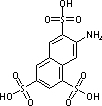
Tell us about your requirement

Price:
Quantity
Select Unit
- 50
- 100
- 200
- 250
- 500
- 1000+
Additional detail
Mobile number
Email

More Products in Reactive Dyes Intermediates Category
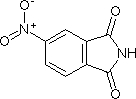
4 Nitro Phthalimide
Price 250 INR / Kilograms
Minimum Order Quantity : 100 Kilograms
Usage : Other, Pharmaceutical, Chemical Synthesis
Appearance : Yellow crystalline powder
Molecular Formula : C8H4N2O4
Shape : other, Crystalline
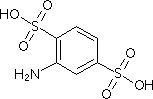
Aniline 2:5 Disulphonic Acid
Usage : Other, For dyes & pigments manufacturing, intermediates in chemical synthesis
Appearance : Light yellow to brown powder
Molecular Formula : C6H6O6S2
Shape : other, Powder
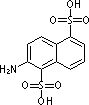
Sulfo Tobias Acid
Usage : Other, Industrial
Appearance : Light brown powder
Molecular Formula : C10H9NO4S
Shape : other, Powder
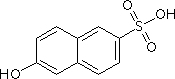
Pure Schaeffer Acid Chemical Compound C10H8O7S2
Minimum Order Quantity : 50 Liters
Usage : Used in the chemical industry for synthesis, Other
Appearance : Crystalline solid
Molecular Formula : C10H8O7S2
Shape : other, Crystalline

Our Associate Concern
Everest Intermediates
Plot No. 706, 707 & 709, Road No. 7
GIDC Estate, Sachin, Dist. Surat-394230
Phone: 91-261-2453000/2433303
Everest Intermediates
Plot No. 706, 707 & 709, Road No. 7
GIDC Estate, Sachin, Dist. Surat-394230
Phone: 91-261-2453000/2433303
Contact Details
HIMALAYA CHEMICALS
GST : 24AABFH4920P1ZA
GST : 24AABFH4920P1ZA

- Shed No. C-1, B-3/4, Plot No. 24 & 25, G.I.D.C Estate, Pandesara,Surat - 394221, Gujarat, India
- Phone : 08045802072

- Mr Natubhai D Patel (Partner)
- Mobile :08045802072
- Send Inquiry
 Send Inquiry

HIMALAYA CHEMICALS
All Rights Reserved.(Terms of Use)
Developed and Managed by Infocom Network Private Limited.
Developed and Managed by Infocom Network Private Limited.

