
 English
 Spanish
 French
 German
 Italian
 Chinese (Simplified)
 Japanese
 Korean
 Arabic
 Portuguese
 08045802072

 Send Inquiry
N-Methyl J-Acid
N-Methyl J-Acid Specification
- Solvent Color
- Light brown
- EINECS No
- 254-356-0
- Resistance
- Stable under recommended storage
- Molecular Formula
- C11H11NO6S
- Density
- 1.55 Gram per cubic centimeter(g/cm3)
- Refractive Rate
- Not determined
- Smell
- Odorless
- Poisonous
- Yes
- Water Resistant
- Yes
- Melting Point
- >250C (decomposes)
- Taste
- Odorless
- Solubility
- Soluble in water
- Ph Level
- Acidic
- Moisture (%)
- 0.5%
- Shape
- Granular Powder
- Shelf Life
- 2 years
- Chemical Name
- N-Methyl J-Acid
- CAS No
- 38604-28-3
- Type
- Acid Dye Intermediate
- Usage
- Laboratory, Industrial
- Purity(%)
- 99
- Application
- Dye Intermediates, Synthesis of Dyes
- Appearance
- Light brown powder
- Physical Form
- Powder
- Grade
- Industrial Grade
- Hazard Class
- Non-hazardous as per transport regulation
- Stability
- Stable at room temperature
- Packing Type
- HDPE bags with liner
- Impurity Content
- 0.2%
- Storage Conditions
- Store in cool, dry, and ventilated area
- Molar Mass
- 285.27 g/mol
N-Methyl J-Acid About
N-Methyl J-Acid
CAS NO. : 22346-43-6
- M.W. : 253
- Empirical Formula : C11H11O4NS
- Synonyms
- 2-Methylamine 5-Naphthol-7-Sulphonic Acid
- Or
- 2 : 5 Dihydroxynaphthalene-7-Sulphonic Acid
- 2 : 5 Dihydroxynaphthalene-7-Sulphonic Acid
- Form Supplied : Moist
- Basis For Sale : On Real Content, M. W. 253
- Packing : H. D. P. E. Bags With Inside Polythene Liner.
- Description : Grey Crystalline Material (Powder Form)
- Nature of Material : Free Sulphonic Acid
- Strength (by coupling) : 85% To 90% M. W. 253
- Solubility : Soluble In Dilute Alkaline Solution
- Use : Intermediate For Reactive Dyestuffs
Exceptional Quality and Stability
N-Methyl J-Acid is manufactured to stringent specifications, ensuring a high level of purity and stability. Its granular, light brown powder form is odorless, making it user-friendly for laboratory and industrial settings. With a shelf life of 2 years and resistance to degradation under recommended storage conditions, it remains effective over extended periods.
Reliable Packaging and Storage
Packed in HDPE bags with liners, N-Methyl J-Acid is protected from environmental factors. Proper storage in cool, dry, and ventilated areas ensures that the product retains its stability, solubility, and performance characteristics. This safeguards your investment and supports seamless operation in demanding production environments.
Versatile Applications in Dye Synthesis
N-Methyl J-Acid serves as a vital intermediate for the synthesis of high-quality dyes in both laboratory and large-scale industrial processes. Its compatibility, solubility, and non-hazardous nature allow manufacturers, exporters, and suppliers across India to use it efficiently and safely, maximizing dye yield and performance.
FAQ's of N-Methyl J-Acid:
Q: How should N-Methyl J-Acid be stored to maintain its stability?
A: N-Methyl J-Acid should be stored in HDPE bags with liners in a cool, dry, and ventilated environment. Adhering to these storage recommendations ensures the compound remains stable and effective for up to two years.Q: What is the recommended usage of N-Methyl J-Acid in industrial processes?
A: N-Methyl J-Acid is primarily used as an acid dye intermediate for synthesizing various dyes. It is suitable for both laboratory-scale and industrial-scale operations due to its high purity and water solubility.Q: When is N-Methyl J-Acid most beneficial in the dye production process?
A: N-Methyl J-Acid demonstrates optimal benefit during the intermediate stages of dye synthesis, where its high purity and stable characteristics facilitate efficient chemical reactions and improve the end product's color properties.Q: Where is N-Methyl J-Acid typically applied within manufacturing sectors?
A: N-Methyl J-Acid finds application in laboratories and dye manufacturing plants, especially within industries focused on textile, ink, and pigment production. It is widely exported, supplied, and traded across India.Q: What is the process for handling and transporting N-Methyl J-Acid safely?
A: Since N-Methyl J-Acid is classified as non-hazardous under transport regulations and is not poisonous, it can be safely handled with standard protective equipment. The HDPE bag packaging offers effective containment, easing transportation.Q: What benefits does N-Methyl J-Acid provide over other dye intermediates?
A: Its high purity, water solubility, odorless property, and stable storage profile make N-Methyl J-Acid a preferred choice for reliable dye synthesis, minimizing waste and maximizing pigment efficiency.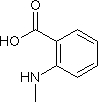
Tell us about your requirement

Price:
Quantity
Select Unit
- 50
- 100
- 200
- 250
- 500
- 1000+
Additional detail
Mobile number
Email

More Products in Reactive Dyes Intermediates Category
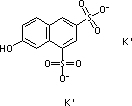
G Salt Chemical Compound
Minimum Order Quantity : 100 Kilograms
Type : Other, Acid Salt
Solubility : Freely soluble in water
Shape : other, Powder
Grade : Other, Technical Grade
Smell : Other, Odorless
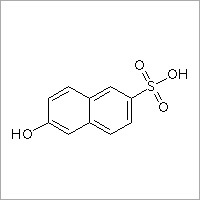
Schaeffer's Acid
Minimum Order Quantity : 50 Kilograms
Type : Direct Dye
Solubility : Freely soluble in water
Shape : other, Liquid
Grade : Industrial Grade
Smell : Other, Slight Phenolic Odor
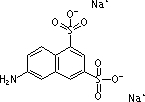
Amino Iso G. Acid
Type : Other, Amino Acid
Solubility : Soluble in water
Shape : other, Crystalline
Grade : Other, Technical Grade
Smell : Other, Odorless
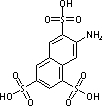
K Acid Empirical Formula : C10H9O9NS3
Type : Other, Acid
Solubility : Soluble in Water
Shape : other, Powder
Grade : Industrial Grade
Smell : Other, Odourless

Our Associate Concern
Everest Intermediates
Plot No. 706, 707 & 709, Road No. 7
GIDC Estate, Sachin, Dist. Surat-394230
Phone: 91-261-2453000/2433303
Everest Intermediates
Plot No. 706, 707 & 709, Road No. 7
GIDC Estate, Sachin, Dist. Surat-394230
Phone: 91-261-2453000/2433303
Contact Details
HIMALAYA CHEMICALS
GST : 24AABFH4920P1ZA
GST : 24AABFH4920P1ZA

- Shed No. C-1, B-3/4, Plot No. 24 & 25, G.I.D.C Estate, Pandesara,Surat - 394221, Gujarat, India
- Phone : 08045802072

- Mr Natubhai D Patel (Partner)
- Mobile :08045802072
- Send Inquiry
 Send Inquiry

HIMALAYA CHEMICALS
All Rights Reserved.(Terms of Use)
Developed and Managed by Infocom Network Private Limited.
Developed and Managed by Infocom Network Private Limited.

