
 English
 Spanish
 French
 German
 Italian
 Chinese (Simplified)
 Japanese
 Korean
 Arabic
 Portuguese
 08045802072

 Send Inquiry
K Acid Empirical Formula : C10H9O9NS3
K Acid Empirical Formula : C10H9O9NS3 Specification
- Smell
- Odourless
- Molecular Formula
- C10H9O9NS3
- Refractive Rate
- Not Available
- Water Resistant
- Yes
- Solubility
- Soluble in Water
- Shelf Life
- 2 Years
- Moisture (%)
- Max 1.0%
- Solvent Color
- Colourless to Pale
- Ph Level
- ~2 (1% Solution)
- Poisonous
- Yes
- Taste
- Odourless
- Resistance
- Stable under normal conditions
- Melting Point
- >300C (Decomposes)
- Density
- 1.88 Gram per cubic centimeter(g/cm3)
- Shape
- Powder
- Type
- Acid
- Usage
- Dye Intermediate
- Purity(%)
- 99%
- Application
- Manufacture of Dyes, Pigments, and Optical Brightening Agents
- Appearance
- Grey to Off White Powder
- Physical Form
- Solid
- Grade
- Industrial Grade
About K Acid Empirical Formula : C10H9O9NS3
K Acid (CAS NO. : 118-03-6) Details:- M.W. : 383
- Empirical Formula : C10H9O9NS3
- Synonyms : 2-Naphthylamine-3 : 6 : 8 Trisulphonic Acid Or B-Naphthyl Amine-3 : 6 : 8 Trisulphonic Acid
- Form Supplied : Moist
- Basis For Sale : On Real Content, M.W. 383
- Packing : H. D. P. E. Bags with inside polythene liner
- Description : Pale Yellow (Powder Form)
- Nature of Material : Free Sulphonic Acid
- Strength (by Nitrite Value) : @ 65% To 70% (Wet Cake)
- Solubility : Soluble In Water, Dilute alkali
- Use : Intermediate for reactive dye stuffs.
A Trusted Dye Intermediate
K Acid is renowned for its role in the synthesis of dyes and pigments, offering manufacturers a reliable and high-purity component for creating vibrant, high-quality colorants. Its excellent solubility in water and stable behavior in industrial settings make it ideal for large-scale applications. The consistent physical and chemical properties contribute significantly to product quality and process efficiency.
Versatility in Applications
Beyond dye manufacturing, K Acid is also employed in producing optical brightening agents. These applications leverage its chemical structure to enhance brightness and whiteness in textiles and papers. Its industrial-grade specification ensures compatibility in a variety of advanced chemical processes, underpinning its popularity with exporters, distributors, and manufacturers globally.
FAQs of K Acid Empirical Formula : C10H9O9NS3:
Q: How is K Acid typically used in the manufacturing sector?
A: K Acid is primarily utilized as an intermediate in the synthesis of dyes, pigments, and optical brightening agents. Its solubility in water and consistent purity enable efficient processing and integration into various chemical formulations.Q: What are the storage recommendations for K Acid to ensure product stability?
A: K Acid should be stored in a cool, dry, and well-ventilated area, away from incompatible materials and moisture to maintain its quality. Keep the container tightly sealed and follow standard safety protocols for handling industrial chemicals.Q: When should K Acid be used in the dye manufacturing process?
A: K Acid is introduced during the intermediate phase of dye synthesis, where it acts as a precursor to various dyes and pigments. Manufacturers integrate it into the process post-primary mixing to achieve the desired chemical transformations.Q: Where is K Acid commonly applied outside the dye industry?
A: Beyond dye manufacturing, K Acid is also used in the production of optical brightening agents that improve the brightness of textiles, paper, and detergents, making it essential for various industrial applications.Q: What safety measures should be taken when handling K Acid?
A: Due to its acidic and poisonous nature, handlers must use protective equipment such as gloves, goggles, and masks. Adequate ventilation and adherence to safety guidelines are crucial to prevent exposure and accidental ingestion or inhalation.Q: What are the main benefits of using K Acid with 99% purity in industrial processes?
A: High-purity K Acid ensures consistent results, enhanced product performance, and reduced impurities in end products, particularly in high-quality dye and pigment manufacturing.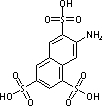
Tell us about your requirement

Price:
Quantity
Select Unit
- 50
- 100
- 200
- 250
- 500
- 1000+
Additional detail
Mobile number
Email

More Products in Reactive Dyes Intermediates Category
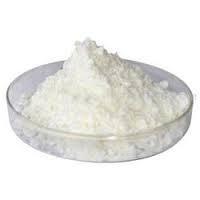
Schaeffer Acid
Minimum Order Quantity : 20 Liters
Chemical Name : Other, Schaeffer Acid
Type : Other
Physical Form : Other, Crystalline solid
Purity(%) : Min. 98%
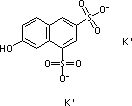
G Salt
Price 195 INR / Kilograms
Minimum Order Quantity : 50 Kilograms
Chemical Name : Other, Tartrazine
Type : Other, Synthetic Organic Dye
Physical Form : Solid
Purity(%) : 99%

Phthalimide
Price 250 INR / Kilograms
Minimum Order Quantity : 100 Kilograms
Chemical Name : Other, Phthalimide
Type : Other, Chemical Compound
Physical Form : Powder
Purity(%) : 99%
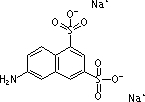
Amino Iso G. Acid
Chemical Name : Other, Aminoiso G. Acid
Type : Other, Amino Acid
Physical Form : Solid
Purity(%) : 98%

Our Associate Concern
Everest Intermediates
Plot No. 706, 707 & 709, Road No. 7
GIDC Estate, Sachin, Dist. Surat-394230
Phone: 91-261-2453000/2433303
Everest Intermediates
Plot No. 706, 707 & 709, Road No. 7
GIDC Estate, Sachin, Dist. Surat-394230
Phone: 91-261-2453000/2433303
Contact Details
HIMALAYA CHEMICALS
GST : 24AABFH4920P1ZA
GST : 24AABFH4920P1ZA

- Shed No. C-1, B-3/4, Plot No. 24 & 25, G.I.D.C Estate, Pandesara,Surat - 394221, Gujarat, India
- Phone : 08045802072

- Mr Natubhai D Patel (Partner)
- Mobile :08045802072
- Send Inquiry
 Send Inquiry

HIMALAYA CHEMICALS
All Rights Reserved.(Terms of Use)
Developed and Managed by Infocom Network Private Limited.
Developed and Managed by Infocom Network Private Limited.

