
 English
 Spanish
 French
 German
 Italian
 Chinese (Simplified)
 Japanese
 Korean
 Arabic
 Portuguese
 08045802072

 Send Inquiry
Schaeffer Acid
MOQ : 20 Liters
Schaeffer Acid Specification
- Solubility
- Slightly soluble in water
- Density
- 1.5 Gram per cubic centimeter(g/cm3)
- Moisture (%)
- <0.5%
- Water Resistant
- Yes
- Poisonous
- Yes
- EINECS No
- 202-208-6
- Boiling point
- Not determined
- Melting Point
- >300°C (decomposes)
- Smell
- Odorless
- Shelf Life
- 2 years
- Molecular Formula
- C10H9NO3S
- Refractive Rate
- Not determined
- Resistance
- Stable under normal conditions
- Ph Level
- Not determined
- Taste
- Not determined
- Shape
- other
- Solvent Color
- Colorless
- Chemical Name
- Schaeffer Acid
- CAS No
- 93-01-6
- Type
- Other
- Usage
- Dye Intermediate, Organic Synthesis
- Purity(%)
- Min. 98%
- Application
- Used in manufacture of dyes, pigments
- Appearance
- White crystalline solid
- Physical Form
- Crystalline solid
- Grade
- Industrial Grade
- Molar Mass
- 239.25 g/mol
- Safety precautions
- Handle with proper protective equipment
- Storage Condition
- Store in cool, dry place
- Packaging
- HDPE bags with inner liner or as required
- HS Code
- 29349900
- Synonyms
- 2-Naphthylamine-6,8-disulfonic acid
Schaeffer Acid About
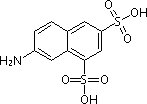
Offered in gray yellow or white powder form, Schaeffer Acid has 224.23 molar mass. Its melting point is more than 300 degree C and its density is 1.549 g/cm3. This substance is used as intermediate in reactive dyes. It contains less than 0.1% water insoluble content and its moisture level is less than 10%. Offered Schaeffer Acid has been tested on the basis of its shelf life, composition, purity level, chemical and physical attributes. Customers can avail this product at reasonable price from us.
| Molecular Formula | C10H8O4S |
| Molecular Weight | 224.23 |
| CAS Number | 93-01-6 |
Essential Dye Intermediate for Industry
Schaeffer Acid is extensively utilized as a valuable intermediate in the synthesis of various dyes and pigments. Its high purity ensures consistent results in industrial processes, making it an essential ingredient for manufacturers in the colorants sector. The product's stability and compatibility with different chemical processes enhance its efficiency in organic synthesis.
Safe Packaging and Reliable Storage
Packaged in robust HDPE bags with an inner liner, Schaeffer Acid is safeguarded against moisture and external contaminants. For optimal preservation, it should be stored in a cool, dry place with proper handling using protective equipment. This careful storage protocol ensures the acid remains effective throughout its 2-year shelf life.
Multiple Applications and Advantages
The main benefits of using Schaeffer Acid stem from its role in dye and pigment manufacture. Its high-grade purity, stability, and ease of handling make it an attractive option for the colorants industry. It is also suitable for organic synthesis applications, where reliability and consistent performance are critical.
FAQ's of Schaeffer Acid:
Q: How should Schaeffer Acid be stored to maintain its quality?
A: Schaeffer Acid must be stored in a cool, dry place, preferably in its original HDPE packaging with an inner liner. Proper storage prevents moisture absorption and helps maintain its high purity and effectiveness for up to two years.Q: What are the main industrial uses of Schaeffer Acid?
A: Schaeffer Acid is primarily used as an intermediate in the manufacture of dyes and pigments. Its stable chemical properties and high purity also make it valuable for applications in organic synthesis within industrial settings.Q: What safety measures are recommended when handling Schaeffer Acid?
A: It is important to use appropriate protective equipment, such as gloves and eye protection, while handling Schaeffer Acid to avoid skin and eye contact. Adequate ventilation should be ensured in the working area.Q: Where is Schaeffer Acid commonly shipped from and who supplies it?
A: Schaeffer Acid is commonly manufactured, exported, and supplied by companies based in India. These suppliers provide the acid with standard packaging and documentation suitable for international shipments.Q: What process is Schaeffer Acid involved in within the dye industry?
A: Schaeffer Acid acts as a key intermediate during the synthesis of specialty dyes and pigments. Its chemical structure enables the creation of high-performance colorants used in various textiles and industrial applications.Q: What are the benefits of using Schaeffer Acid in dye manufacturing?
A: Using Schaeffer Acid ensures a high level of purity, consistent performance, and chemical stability, resulting in superior quality end-products in the dye and pigment sector. Its reliability minimizes production inconsistencies.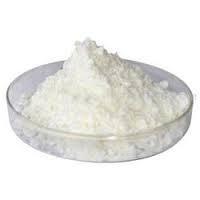
Tell us about your requirement

Price:
Quantity
Select Unit
- 50
- 100
- 200
- 250
- 500
- 1000+
Additional detail
Mobile number
Email

More Products in Reactive Dyes Intermediates Category
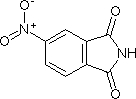
4 Nitro Phthalimide
Price 250 INR / Kilograms
Minimum Order Quantity : 100 Kilograms
Type : Other, Organic Intermediate
Solubility : Slightly soluble in water, soluble in organic solvents
Moisture (%) : 0.5%
Appearance : Yellow crystalline powder
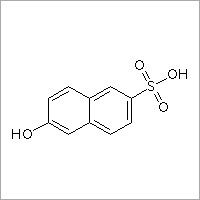
6-hydroxynaphthalene-2-sulfonic acid
Price 225.00 INR / Kilograms
Minimum Order Quantity : 100 Kilograms
Type : Other, Acid Dye Intermediate
Solubility : Soluble in water
Moisture (%) : <1%
Appearance : Light Yellow to Brownish Powder
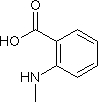
N-Methyl J-Acid
Type : Other, Acid Dye Intermediate
Solubility : Soluble in water
Moisture (%) : 0.5%
Appearance : Light brown powder
Amido G Acid
Type : Other, Acid Dye Intermediate
Solubility : Soluble in water
Moisture (%) : Max 0.5%
Appearance : Light Brown to Brown Powder

Our Associate Concern
Everest Intermediates
Plot No. 706, 707 & 709, Road No. 7
GIDC Estate, Sachin, Dist. Surat-394230
Phone: 91-261-2453000/2433303
Everest Intermediates
Plot No. 706, 707 & 709, Road No. 7
GIDC Estate, Sachin, Dist. Surat-394230
Phone: 91-261-2453000/2433303
Contact Details
HIMALAYA CHEMICALS
GST : 24AABFH4920P1ZA
GST : 24AABFH4920P1ZA

- Shed No. C-1, B-3/4, Plot No. 24 & 25, G.I.D.C Estate, Pandesara,Surat - 394221, Gujarat, India
- Phone : 08045802072

- Mr Natubhai D Patel (Partner)
- Mobile :08045802072
- Send Inquiry
 Send Inquiry

HIMALAYA CHEMICALS
All Rights Reserved.(Terms of Use)
Developed and Managed by Infocom Network Private Limited.
Developed and Managed by Infocom Network Private Limited.

